About Me
About Me
About Me


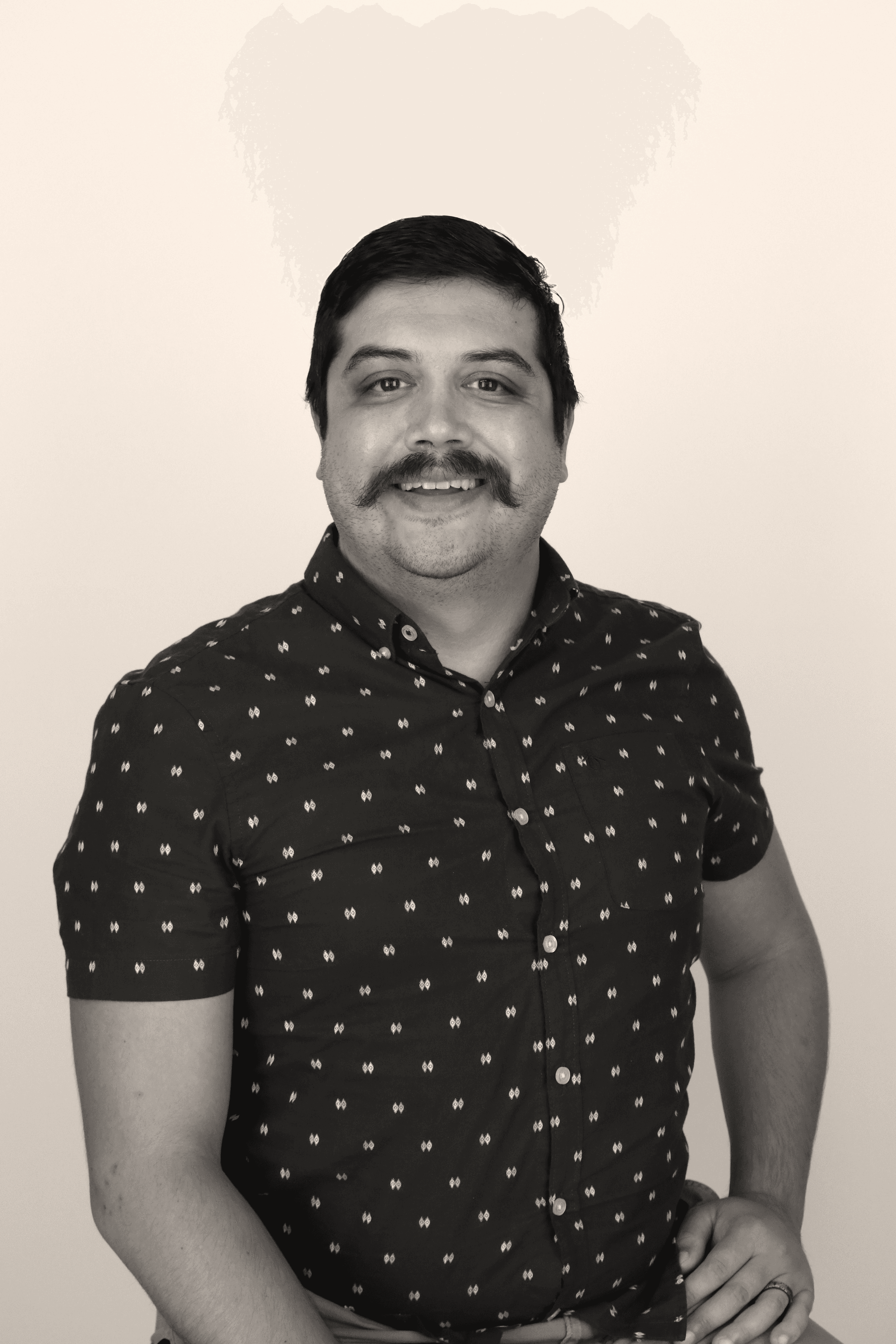

Hi, Mike here.
Every product carries a hidden question: How can this be better? A finished interface is never truly final; it is a snapshot of a system in motion. Curiosity drives the search for what is possible, turning technology into a medium for discovery. This process is about pushing past current boundaries to find more elegant, meaningful solutions that actually improve a user's day.
Each project begins as a blank canvas. Endless possibilities are approached with an open mind. Whether the day involves balancing three internal applications as a product manager, designing a fresh ad campaign, or translating complex engineering logic into clear human stories, the approach remains the same. Metrics provide the insight, and team collaboration provides the depth to uncover what is truly possible. Georges Seurat once noted that science frees one from all uncertainties and allows one to move freely in an extensive domain. He believed it was an insult to both art and science to think one necessarily excludes the other. This philosophy defines the approach to the work, using data, science, and art to shift a perspective or refine a line to create a more impactful result.
The toolkit is a living thing, always expanding with new skills and experimental mediums. Broad strokes of interactive wireframing in Figma give way to the fine-point detail of executing JSON queries or building a product roadmap. Tools like CSS, HTML5, Adobe Premiere, and Excel macros serve as the brushes used to push the limits of a digital canvas.
There is a deep joy found in the camaraderie of the work. Real magic happens when seven different departments converge to ensure a launch is more than just a deadline. It becomes the achievement of a shared, human-centered vision. The goal is always the next experiment, the next problem to solve, and the next way to push the boundaries of the canvas and discover what can be achieved together.
Hi, Mike here.
Every product carries a hidden question: How can this be better? A finished interface is never truly final; it is a snapshot of a system in motion. Curiosity drives the search for what is possible, turning technology into a medium for discovery. This process is about pushing past current boundaries to find more elegant, meaningful solutions that actually improve a user's day.
Each project begins as a blank canvas. Endless possibilities are approached with an open mind. Whether the day involves balancing three internal applications as a product manager, designing a fresh ad campaign, or translating complex engineering logic into clear human stories, the approach remains the same. Metrics provide the insight, and team collaboration provides the depth to uncover what is truly possible. Georges Seurat once noted that science frees one from all uncertainties and allows one to move freely in an extensive domain. He believed it was an insult to both art and science to think one necessarily excludes the other. This philosophy defines the approach to the work, using data, science, and art to shift a perspective or refine a line to create a more impactful result.
The toolkit is a living thing, always expanding with new skills and experimental mediums. Broad strokes of interactive wireframing in Figma give way to the fine-point detail of executing JSON queries or building a product roadmap. Tools like CSS, HTML5, Adobe Premiere, and Excel macros serve as the brushes used to push the limits of a digital canvas.
There is a deep joy found in the camaraderie of the work. Real magic happens when seven different departments converge to ensure a launch is more than just a deadline. It becomes the achievement of a shared, human-centered vision. The goal is always the next experiment, the next problem to solve, and the next way to push the boundaries of the canvas and discover what can be achieved together.
A Tour of My Site Locations
My site is built around four places that I've called home. I invite you to enjoy a tour through these locations while you visit!
The first stop is Tucson, Arizona, where I’ve included cacti and other elements from the gorgeous Tucson desert. Next is Denver, which features iconic scenery like the infamous Bluecifer statue and the Cash Register/Wells Fargo building. Then we have The University of Oklahoma, the place where I earned my undergraduate degree, showcasing the Sooners mascot and the racing Sooner Schooner. Finally, we land in Pittsburgh, featuring the historic Duquesne Incline, an iceberg playing some hockey, and, of course, one of the city's iconic bridges.
A Tour of My Site Locations
My site is built around four places that I've called home. I invite you to enjoy a tour through these locations while you visit!
The first stop is Tucson, Arizona, where I’ve included cacti and other elements from the gorgeous Tucson desert. Next is Denver, which features iconic scenery like the infamous Bluecifer statue and the Cash Register/Wells Fargo building. Then we have The University of Oklahoma, the place where I earned my undergraduate degree, showcasing the Sooners mascot and the racing Sooner Schooner. Finally, we land in Pittsburgh, featuring the historic Duquesne Incline, an iceberg playing some hockey, and, of course, one of the city's iconic bridges.

Experience
Experience
Experience

Additional Experience
The experience listed above is just a small part of my overall background. I have previously worked for OU Media Services as a Graphic Designer on ad campaigns, served in the United States Air Force in Visual Information and Graphics, and held sales leadership roles at Kohl's and Target. Additionally, I have over 10 years of various backstage and entertainment work, including Technical Direction, lighting design, drafting, rigging, and special events coordination. If you have questions about any of my experience, please feel free to contact me.
Additional Experience
The experience listed above is just a small part of my overall background. I have previously worked for OU Media Services as a Graphic Designer on ad campaigns, served in the United States Air Force in Visual Information and Graphics, and held sales leadership roles at Kohl's and Target. Additionally, I have over 10 years of various backstage and entertainment work, including Technical Direction, lighting design, drafting, rigging, and special events coordination. If you have questions about any of my experience, please feel free to contact me.
Educational Journey
Educational Journey
The Route at a Glance
United States Air Force
Role: Graphic Designer & Information Specialist
Pima Community College
Degree: Associate of Arts (Theatre Technology)University of Oklahoma
Degree: Bachelor of Fine Arts (Theatre Technology)Regis University & Turing School of Software & Design
Focus: M.S. Computer Science Coursework (4.0 GPA) & Frontend Engineering CertificationProfessional Alignment
Current Focus: Operating at the intersection of Product Strategy, Technical Enablement, & Creative Design.
The Route at a Glance
United States Air Force
Role: Graphic Designer & Information Specialist
Pima Community College
Degree: Associate of Arts (Theatre Technology)University of Oklahoma
Degree: Bachelor of Fine Arts (Theatre Technology)Regis University & Turing School of Software & Design
Focus: M.S. Computer Science Coursework (4.0 GPA) & Frontend Engineering CertificationProfessional Alignment
Current Focus: Operating at the intersection of Product Strategy, Technical Enablement, & Creative Design.
Introduction
A resume is usually a straight line—a tidy list of dates and degrees that ignores the beautiful messiness of real life. My map is topographical. It’s full of steep climbs and unexpected detours. It started when I signed my name on the dotted line for the Air Force, traversed the dusty backstage of community colleges, and eventually navigated the abstract logic of software engineering. It is a story not of finding a single path, but of mastering the art of navigation itself. It’s about finding a craft, losing it to circumstance, and having the courage to build it again, stronger than before.
United States Air Force
After high school, I enlisted. I was hunting for a trade and landed on "Graphic Designer and Information Specialist." The title suggested art; the reality was art with a heavy dose of military discipline. I designed ads and managed sensitive files—and I was good at it. To this day, a military challenge coin I designed sits on my desk.
My day didn't end when the shift did. I’ve always had a restlessness that pushes me to find the next task. I took over the Advanced Fitness Program to shake up the training routine and ensure the flight met their standards, and I stepped into leadership simply because I wanted to support the unit. It was about the quiet satisfaction of being useful to the team. I found a purpose in that kinship, and I was ready to build a life on it.
But life had other plans.
A year in, the Armed Forces announced a massive downsizing. It was a numbers game. My number came up, and just like that, I was handed an honorable separation and a ticket home.
Introduction
A resume is usually a straight line—a tidy list of dates and degrees that ignores the beautiful messiness of real life. My map is topographical. It’s full of steep climbs and unexpected detours. It started when I signed my name on the dotted line for the Air Force, traversed the dusty backstage of community colleges, and eventually navigated the abstract logic of software engineering. It is a story not of finding a single path, but of mastering the art of navigation itself. It’s about finding a craft, losing it to circumstance, and having the courage to build it again, stronger than before.
United States Air Force
After high school, I enlisted. I was hunting for a trade and landed on "Graphic Designer and Information Specialist." The title suggested art; the reality was art with a heavy dose of military discipline. I designed ads and managed sensitive files—and I was good at it. To this day, a military challenge coin I designed sits on my desk.
My day didn't end when the shift did. I’ve always had a restlessness that pushes me to find the next task. I took over the Advanced Fitness Program to shake up the training routine and ensure the flight met their standards, and I stepped into leadership simply because I wanted to support the unit. It was about the quiet satisfaction of being useful to the team. I found a purpose in that kinship, and I was ready to build a life on it.
But life had other plans.
A year in, the Armed Forces announced a massive downsizing. It was a numbers game. My number came up, and just like that, I was handed an honorable separation and a ticket home.
Pima Community College
Suddenly, a civilian again, I felt lost. I didn't know where I fit anymore. I missed the camaraderie—that feeling of being part of a unit where everyone carries the weight together. I thought I might find it in firefighting, but the odds told a different story. I applied for a role that summer, but I was just one face in a crowd of thousands, all competing for three open spots.
So, while I waited for the next fire exam, I enrolled at Pima Community College in Tucson to knock out some basic credits. That’s when a friend reached out: the theatre program needed 'overhire' help. I said yes. I walked in green, eager for the opportunity but blissfully unaware of the journey I was starting. I found exactly what I needed: a chaotic, high-stakes environment filled with people who depended on each other. It was the connection I had been missing.
I signed up for one theatre class, which quickly snowballed into becoming a full-time Theatre Tech student. Before I knew it, I was working a permanent position in the shop, leading load-ins and programming lighting boards.
But the education went deeper than the tools. My instructors taught me that a problem isn't a dead end; it's just a process waiting to be solved one step at a time. They showed me how to harness creativity to build productive, tangible solutions. That shop is where I truly fell in love with the act of learning.
Somewhere between the sawdust and the late nights, I realized I wasn't waiting for the Fire Department anymore. I was building a career.
Over the next few years, I became a staple of the Tucson theatre scene. I wasn't just building for the college; I was out in the community, working as an educational assistant for a children's playwriting program and managing builds for local non-profits. I had finished my basics and assumed I would stay in Arizona, but my dad—stationed in Oklahoma at the time—suggested I look at the University of Oklahoma. I was skeptical. Then I visited Norman.
Pima Community College
Suddenly, a civilian again, I felt lost. I didn't know where I fit anymore. I missed the camaraderie—that feeling of being part of a unit where everyone carries the weight together. I thought I might find it in firefighting, but the odds told a different story. I applied for a role that summer, but I was just one face in a crowd of thousands, all competing for three open spots.
So, while I waited for the next fire exam, I enrolled at Pima Community College in Tucson to knock out some basic credits. That’s when a friend reached out: the theatre program needed 'overhire' help. I said yes. I walked in green, eager for the opportunity but blissfully unaware of the journey I was starting. I found exactly what I needed: a chaotic, high-stakes environment filled with people who depended on each other. It was the connection I had been missing.
I signed up for one theatre class, which quickly snowballed into becoming a full-time Theatre Tech student. Before I knew it, I was working a permanent position in the shop, leading load-ins and programming lighting boards.
But the education went deeper than the tools. My instructors taught me that a problem isn't a dead end; it's just a process waiting to be solved one step at a time. They showed me how to harness creativity to build productive, tangible solutions. That shop is where I truly fell in love with the act of learning.
Somewhere between the sawdust and the late nights, I realized I wasn't waiting for the Fire Department anymore. I was building a career.
Over the next few years, I became a staple of the Tucson theatre scene. I wasn't just building for the college; I was out in the community, working as an educational assistant for a children's playwriting program and managing builds for local non-profits. I had finished my basics and assumed I would stay in Arizona, but my dad—stationed in Oklahoma at the time—suggested I look at the University of Oklahoma. I was skeptical. Then I visited Norman.
The University of Oklahoma
I arrived in Norman carrying a heavy dose of skepticism, but it vanished the moment I walked into the shop. It was a technician’s wonderland. I went from intimate 180-seat theaters to building towering, intricate sets for the opera stage. The designs were wild, the summer opportunities were elite, and standing there amidst the scenery, I felt like a kid in a candy store.
So, I packed my bags and headed for the Prairie.
At OU, they handed us the keys to the kingdom. I practically lived in that shop, working from dawn until midnight, balancing the builds with weekend retail shifts and pre-dawn hours as a graphic designer at the newspaper just to keep the lights on.
The work demanded a collision of disciplines. It wasn't just carpentry; it was calculating fleet angle trigonometry, and drafting in 3D AutoCAD. I balanced the history of architecture with the chemistry of epoxies, all while managing five-figure budgets and negotiating with vendors. It was a crash course in the physics, finance, and leadership of creation.
The grind yielded results. I spent a summer building in Solvang, California, then returned to drive Fiddler on the Roof as Assistant Technical Director. By senior year, I was pushing the limits again. I taught the entire 'Intro to Theatre Tech' course as my capstone project. Even outside the shop, I loved the sheer process of learning. In a US History elective, I became so enthralled by the research that a standard ten-page final turned into a genuine uncovering of history—a fifty-page wild adventure that my instructor pushed to publication.
But the technical climax happened in Shreveport, where we went head-to-head with dozens of universities in a national load-in competition. It was a race against the clock, but battles are won in the planning. I arrived armed with AutoCAD blueprints for every contingency, having accounted for every single bolt long before the truck doors opened.
Later that night, the victory tasted sweeter when we saw the numbers. We didn't just walk away with the trophy; we shattered the record, setting a standard that stood for years to come.
The University of Oklahoma
I arrived in Norman carrying a heavy dose of skepticism, but it vanished the moment I walked into the shop. It was a technician’s wonderland. I went from intimate 180-seat theaters to building towering, intricate sets for the opera stage. The designs were wild, the summer opportunities were elite, and standing there amidst the scenery, I felt like a kid in a candy store.
So, I packed my bags and headed for the Prairie.
At OU, they handed us the keys to the kingdom. I practically lived in that shop, working from dawn until midnight, balancing the builds with weekend retail shifts and pre-dawn hours as a graphic designer at the newspaper just to keep the lights on.
The work demanded a collision of disciplines. It wasn't just carpentry; it was calculating fleet angle trigonometry, and drafting in 3D AutoCAD. I balanced the history of architecture with the chemistry of epoxies, all while managing five-figure budgets and negotiating with vendors. It was a crash course in the physics, finance, and leadership of creation.
The grind yielded results. I spent a summer building in Solvang, California, then returned to drive Fiddler on the Roof as Assistant Technical Director. By senior year, I was pushing the limits again. I taught the entire 'Intro to Theatre Tech' course as my capstone project. Even outside the shop, I loved the sheer process of learning. In a US History elective, I became so enthralled by the research that a standard ten-page final turned into a genuine uncovering of history—a fifty-page wild adventure that my instructor pushed to publication.
But the technical climax happened in Shreveport, where we went head-to-head with dozens of universities in a national load-in competition. It was a race against the clock, but battles are won in the planning. I arrived armed with AutoCAD blueprints for every contingency, having accounted for every single bolt long before the truck doors opened.
Later that night, the victory tasted sweeter when we saw the numbers. We didn't just walk away with the trophy; we shattered the record, setting a standard that stood for years to come.
The University of Oklahoma
I arrived in Norman carrying a heavy dose of skepticism, but it vanished the moment I walked into the shop. It was a technician’s wonderland. I went from intimate 180-seat theaters to building towering, intricate sets for the opera stage. The designs were wild, the summer opportunities were elite, and standing there amidst the scenery, I felt like a kid in a candy store.
So, I packed my bags and headed for the Prairie.
At OU, they handed us the keys to the kingdom. I practically lived in that shop, working from dawn until midnight, balancing the builds with weekend retail shifts and pre-dawn hours as a graphic designer at the newspaper just to keep the lights on.
The work demanded a collision of disciplines. It wasn't just carpentry; it was calculating fleet angle trigonometry, and drafting in 3D AutoCAD. I balanced the history of architecture with the chemistry of epoxies, all while managing five-figure budgets and negotiating with vendors. It was a crash course in the physics, finance, and leadership of creation.
The grind yielded results. I spent a summer building in Solvang, California, then returned to drive Fiddler on the Roof as Assistant Technical Director. By senior year, I was pushing the limits again. I taught the entire 'Intro to Theatre Tech' course as my capstone project. Even outside the shop, I loved the sheer process of learning. In a US History elective, I became so enthralled by the research that a standard ten-page final turned into a genuine uncovering of history—a fifty-page wild adventure that my instructor pushed to publication.
But the technical climax happened in Shreveport, where we went head-to-head with dozens of universities in a national load-in competition. It was a race against the clock, but battles are won in the planning. I arrived armed with AutoCAD blueprints for every contingency, having accounted for every single bolt long before the truck doors opened.
Later that night, the victory tasted sweeter when we saw the numbers. We didn't just walk away with the trophy; we shattered the record, setting a standard that stood for years to come.
Utah Shakespeare Festival
Graduation gave me a trophy, but the Utah Shakespeare Festival gave me a reality check. I stepped into the role of Stage Supervisor for the historic Adams Theatre—a replica of the Globe in its final, legendary season. The mandate was to go out with a bang, though I had no idea of the logistical hurricane I was about to face.
I was managing four productions rotating across four stages every single day—a relentless, swirling tempest of scenery and schedules. I was up before the dawn for load-ins and striking sets under the moonlight, running on adrenaline and caffeine.
The waves were unrelenting. The festival didn't care about my college accolades, and the sheer weight of the operation crashed down on me. Early on, I wasn't just struggling; I was drowning in the logistics.
Before I lost the crew to the unrelenting storm, I had to step back. I analyzed the system and refined the workflow until the chaos turned into precision maneuvers. This discipline was on full display during our daily 'Theatre Magic' showcase, where I narrated the process for an audience of 500. My crew moved with such speed that I had to engineer intentional pauses just to let the crowd see the mechanics. We had transformed a desperate struggle for survival into a performance that rivaled the plays themselves.
After the festival, I was all set to move to Boston. My car was packed, and my compass was set for the East Coast.
But life had other plans.
Denver & The Pivot
Curious Theatre in Denver called with an offer: Assistant Technical Director. I took the detour to the Rockies and never looked back. Denver became the backdrop for a massive period of growth. I spent years honing my craft on hundreds of productions, leveling up with every show. If there was a complex build or a leadership void, I stepped in to fill it. I was building momentum, establishing a reputation, and finally making real progress.
But life had other plans.
Then, in a split second at the Arvada Center, the momentum came to a halt. I was helping a coworker load a heavy dance floor onto a steel rack when it slipped from his grip. In a stroke of cruel luck, it landed just inches above the safety of my steel-toe boot, shattering my foot.
I lost my upcoming summer contract, but I gained a hard truth: a physical career is only as durable as the body performing it. My ambition was unbreakable, but my body wasn't. It was time to take my final bow and leave the stage.
Utah Shakespeare Festival
Graduation gave me a trophy, but the Utah Shakespeare Festival gave me a reality check. I stepped into the role of Stage Supervisor for the historic Adams Theatre—a replica of the Globe in its final, legendary season. The mandate was to go out with a bang, though I had no idea of the logistical hurricane I was about to face.
I was managing four productions rotating across four stages every single day—a relentless, swirling tempest of scenery and schedules. I was up before the dawn for load-ins and striking sets under the moonlight, running on adrenaline and caffeine.
The waves were unrelenting. The festival didn't care about my college accolades, and the sheer weight of the operation crashed down on me. Early on, I wasn't just struggling; I was drowning in the logistics.
Before I lost the crew to the unrelenting storm, I had to step back. I analyzed the system and refined the workflow until the chaos turned into precision maneuvers. This discipline was on full display during our daily 'Theatre Magic' showcase, where I narrated the process for an audience of 500. My crew moved with such speed that I had to engineer intentional pauses just to let the crowd see the mechanics. We had transformed a desperate struggle for survival into a performance that rivaled the plays themselves.
After the festival, I was all set to move to Boston. My car was packed, and my compass was set for the East Coast.
But life had other plans.
Denver & The Pivot
Curious Theatre in Denver called with an offer: Assistant Technical Director. I took the detour to the Rockies and never looked back. Denver became the backdrop for a massive period of growth. I spent years honing my craft on hundreds of productions, leveling up with every show. If there was a complex build or a leadership void, I stepped in to fill it. I was building momentum, establishing a reputation, and finally making real progress.
But life had other plans.
Then, in a split second at the Arvada Center, the momentum came to a halt. I was helping a coworker load a heavy dance floor onto a steel rack when it slipped from his grip. In a stroke of cruel luck, it landed just inches above the safety of my steel-toe boot, shattering my foot.
I lost my upcoming summer contract, but I gained a hard truth: a physical career is only as durable as the body performing it. My ambition was unbreakable, but my body wasn't. It was time to take my final bow and leave the stage.
Utah Shakespeare Festival
Graduation gave me a trophy, but the Utah Shakespeare Festival gave me a reality check. I stepped into the role of Stage Supervisor for the historic Adams Theatre—a replica of the Globe in its final, legendary season. The mandate was to go out with a bang, though I had no idea of the logistical hurricane I was about to face.
I was managing four productions rotating across four stages every single day—a relentless, swirling tempest of scenery and schedules. I was up before the dawn for load-ins and striking sets under the moonlight, running on adrenaline and caffeine.
The waves were unrelenting. The festival didn't care about my college accolades, and the sheer weight of the operation crashed down on me. Early on, I wasn't just struggling; I was drowning in the logistics.
Before I lost the crew to the unrelenting storm, I had to step back. I analyzed the system and refined the workflow until the chaos turned into precision maneuvers. This discipline was on full display during our daily 'Theatre Magic' showcase, where I narrated the process for an audience of 500. My crew moved with such speed that I had to engineer intentional pauses just to let the crowd see the mechanics. We had transformed a desperate struggle for survival into a performance that rivaled the plays themselves.
After the festival, I was all set to move to Boston. My car was packed, and my compass was set for the East Coast.
But life had other plans.
Denver & The Pivot
Curious Theatre in Denver called with an offer: Assistant Technical Director. I took the detour to the Rockies and never looked back. Denver became the backdrop for a massive period of growth. I spent years honing my craft on hundreds of productions, leveling up with every show. If there was a complex build or a leadership void, I stepped in to fill it. I was building momentum, establishing a reputation, and finally making real progress.
But life had other plans.
Then, in a split second at the Arvada Center, the momentum came to a halt. I was helping a coworker load a heavy dance floor onto a steel rack when it slipped from his grip. In a stroke of cruel luck, it landed just inches above the safety of my steel-toe boot, shattering my foot.
I lost my upcoming summer contract, but I gained a hard truth: a physical career is only as durable as the body performing it. My ambition was unbreakable, but my body wasn't. It was time to take my final bow and leave the stage.
Regis University
I waited out the healing process in a sales and product-launch role at T-Mobile. It was a holding pattern, but it bought me the quiet I needed to recalibrate. I started dabbling in code and stumbled onto a realization: drafting complex plates in AutoCAD wasn't all that different from writing software. Whether you are framing a set or framing a function, the requirements are the same—logic, syntax, and structure. I realized I didn't have to leave my craftsman mindset behind; I just had to change my tools.
My manager steered me toward Computer Science, so I enrolled in a Master's program at Regis University. On paper, I was perfect—I held a 4.0 GPA—but the victory felt hollow. The curriculum was pure theory, floating somewhere in the abstract. I felt like a carpenter who had memorized the biology of wood but had never actually swung a hammer. I realized I didn't just want the credential; I wanted to hone the craft.
Turing School of Software & Design
I found the Turing School in Denver. It had a reputation for difficulty, but it was the specific kind of difficulty that tears you down to build you back up stronger. That drew me in. The program was a return to the rhythm of my theater days: impossible deadlines, high caffeine, and deep focus. I lived in the online student hall, troubleshooting code for peers and soaking up advanced concepts.
For the final challenge, I pitched a concept to the group: a social platform leveraging Google Locations to visualize a user’s literal 'ring of influence.' It was selected for development. Taking point on the build, I found my stride in the chaos of implementation. I loved the constant cycle of learning—figuring out what was working, diagnosing what wasn't, and knowing exactly when to pivot to keep the project alive.
After finishing the program, I went straight into contract work, building mobile apps with React Native. But the work felt too narrow. I realized my interest wasn't just in the syntax; it was in the architecture of the solution. I missed the challenge of analyzing what wasn't working and learning how to fix the strategy in real-time. At Trout House Tech, I expanded my role to match that ambition, taking on project leadership and volunteering as an Associate Product Manager.
Mortgage Tech & The Present
I secured a role as an Internal Product Manager at Suited Connector. It was the strategic work I was after, but it was cut short by a layoff when the market turned.
I didn't rush the next step. I took the time to recalibrate. While waiting for the market to recover, I focused on upskilling and rigorously evaluating exactly where my experience added the most value. I stayed in the arena—taking on side projects, attending industry conferences, and doubling down on my education.
That reflection led me to Mortgage365 as a Technical Communication Specialist. This role felt like a true convergence. I made it my mission to take in everything I could, collaborating across departments to bridge the gap between engineering and business teams. I wasn't just writing text; I was creating visual and multimedia resources to support training and product demos, translating complex logic into clear, usable knowledge. I wasn't looking for the next stepping stone. I was ready to pour the foundation for the long haul.
But life had other plans.
The mortgage industry is volatile. Markets shifted, interest rates spiked, and companies began to downsize. Despite the upskilling and terrific quarterly reviews, my department was closed due to restructuring, and I was laid off.
Life might have other plans from time to time, but I have learned to take those opportunities and make the best of them.
Whether I’m debugging a React component, drafting a set for a Shakespeare play, or designing a new ad campaign, I keep moving forward. I keep learning, and I continue to find joy in the education itself.
Regis University
I waited out the healing process in a sales and product-launch role at T-Mobile. It was a holding pattern, but it bought me the quiet I needed to recalibrate. I started dabbling in code and stumbled onto a realization: drafting complex plates in AutoCAD wasn't all that different from writing software. Whether you are framing a set or framing a function, the requirements are the same—logic, syntax, and structure. I realized I didn't have to leave my craftsman mindset behind; I just had to change my tools.
My manager steered me toward Computer Science, so I enrolled in a Master's program at Regis University. On paper, I was perfect—I held a 4.0 GPA—but the victory felt hollow. The curriculum was pure theory, floating somewhere in the abstract. I felt like a carpenter who had memorized the biology of wood but had never actually swung a hammer. I realized I didn't just want the credential; I wanted to hone the craft.
Turing School of Software & Design
I found the Turing School in Denver. It had a reputation for difficulty, but it was the specific kind of difficulty that tears you down to build you back up stronger. That drew me in. The program was a return to the rhythm of my theater days: impossible deadlines, high caffeine, and deep focus. I lived in the online student hall, troubleshooting code for peers and soaking up advanced concepts.
For the final challenge, I pitched a concept to the group: a social platform leveraging Google Locations to visualize a user’s literal 'ring of influence.' It was selected for development. Taking point on the build, I found my stride in the chaos of implementation. I loved the constant cycle of learning—figuring out what was working, diagnosing what wasn't, and knowing exactly when to pivot to keep the project alive.
After finishing the program, I went straight into contract work, building mobile apps with React Native. But the work felt too narrow. I realized my interest wasn't just in the syntax; it was in the architecture of the solution. I missed the challenge of analyzing what wasn't working and learning how to fix the strategy in real-time. At Trout House Tech, I expanded my role to match that ambition, taking on project leadership and volunteering as an Associate Product Manager.
Mortgage Tech & The Present
I secured a role as an Internal Product Manager at Suited Connector. It was the strategic work I was after, but it was cut short by a layoff when the market turned.
I didn't rush the next step. I took the time to recalibrate. While waiting for the market to recover, I focused on upskilling and rigorously evaluating exactly where my experience added the most value. I stayed in the arena—taking on side projects, attending industry conferences, and doubling down on my education.
That reflection led me to Mortgage365 as a Technical Communication Specialist. This role felt like a true convergence. I made it my mission to take in everything I could, collaborating across departments to bridge the gap between engineering and business teams. I wasn't just writing text; I was creating visual and multimedia resources to support training and product demos, translating complex logic into clear, usable knowledge. I wasn't looking for the next stepping stone. I was ready to pour the foundation for the long haul.
But life had other plans.
The mortgage industry is volatile. Markets shifted, interest rates spiked, and companies began to downsize. Despite the upskilling and terrific quarterly reviews, my department was closed due to restructuring, and I was laid off.
Life might have other plans from time to time, but I have learned to take those opportunities and make the best of them.
Whether I’m debugging a React component, drafting a set for a Shakespeare play, or designing a new ad campaign, I keep moving forward. I keep learning, and I continue to find joy in the education itself.
Regis University
I waited out the healing process in a sales and product-launch role at T-Mobile. It was a holding pattern, but it bought me the quiet I needed to recalibrate. I started dabbling in code and stumbled onto a realization: drafting complex plates in AutoCAD wasn't all that different from writing software. Whether you are framing a set or framing a function, the requirements are the same—logic, syntax, and structure. I realized I didn't have to leave my craftsman mindset behind; I just had to change my tools.
My manager steered me toward Computer Science, so I enrolled in a Master's program at Regis University. On paper, I was perfect—I held a 4.0 GPA—but the victory felt hollow. The curriculum was pure theory, floating somewhere in the abstract. I felt like a carpenter who had memorized the biology of wood but had never actually swung a hammer. I realized I didn't just want the credential; I wanted to hone the craft.
Turing School of Software & Design
I found the Turing School in Denver. It had a reputation for difficulty, but it was the specific kind of difficulty that tears you down to build you back up stronger. That drew me in. The program was a return to the rhythm of my theater days: impossible deadlines, high caffeine, and deep focus. I lived in the online student hall, troubleshooting code for peers and soaking up advanced concepts.
For the final challenge, I pitched a concept to the group: a social platform leveraging Google Locations to visualize a user’s literal 'ring of influence.' It was selected for development. Taking point on the build, I found my stride in the chaos of implementation. I loved the constant cycle of learning—figuring out what was working, diagnosing what wasn't, and knowing exactly when to pivot to keep the project alive.
After finishing the program, I went straight into contract work, building mobile apps with React Native. But the work felt too narrow. I realized my interest wasn't just in the syntax; it was in the architecture of the solution. I missed the challenge of analyzing what wasn't working and learning how to fix the strategy in real-time. At Trout House Tech, I expanded my role to match that ambition, taking on project leadership and volunteering as an Associate Product Manager.
Mortgage Tech & The Present
I secured a role as an Internal Product Manager at Suited Connector. It was the strategic work I was after, but it was cut short by a layoff when the market turned.
I didn't rush the next step. I took the time to recalibrate. While waiting for the market to recover, I focused on upskilling and rigorously evaluating exactly where my experience added the most value. I stayed in the arena—taking on side projects, attending industry conferences, and doubling down on my education.
That reflection led me to Mortgage365 as a Technical Communication Specialist. This role felt like a true convergence. I made it my mission to take in everything I could, collaborating across departments to bridge the gap between engineering and business teams. I wasn't just writing text; I was creating visual and multimedia resources to support training and product demos, translating complex logic into clear, usable knowledge. I wasn't looking for the next stepping stone. I was ready to pour the foundation for the long haul.
But life had other plans.
The mortgage industry is volatile. Markets shifted, interest rates spiked, and companies began to downsize. Despite the upskilling and terrific quarterly reviews, my department was closed due to restructuring, and I was laid off.
Life might have other plans from time to time, but I have learned to take those opportunities and make the best of them.
Whether I’m debugging a React component, drafting a set for a Shakespeare play, or designing a new ad campaign, I keep moving forward. I keep learning, and I continue to find joy in the education itself.


" height="194px" id="WLU_rR8QM" width="280px"/></svg>)